Guides
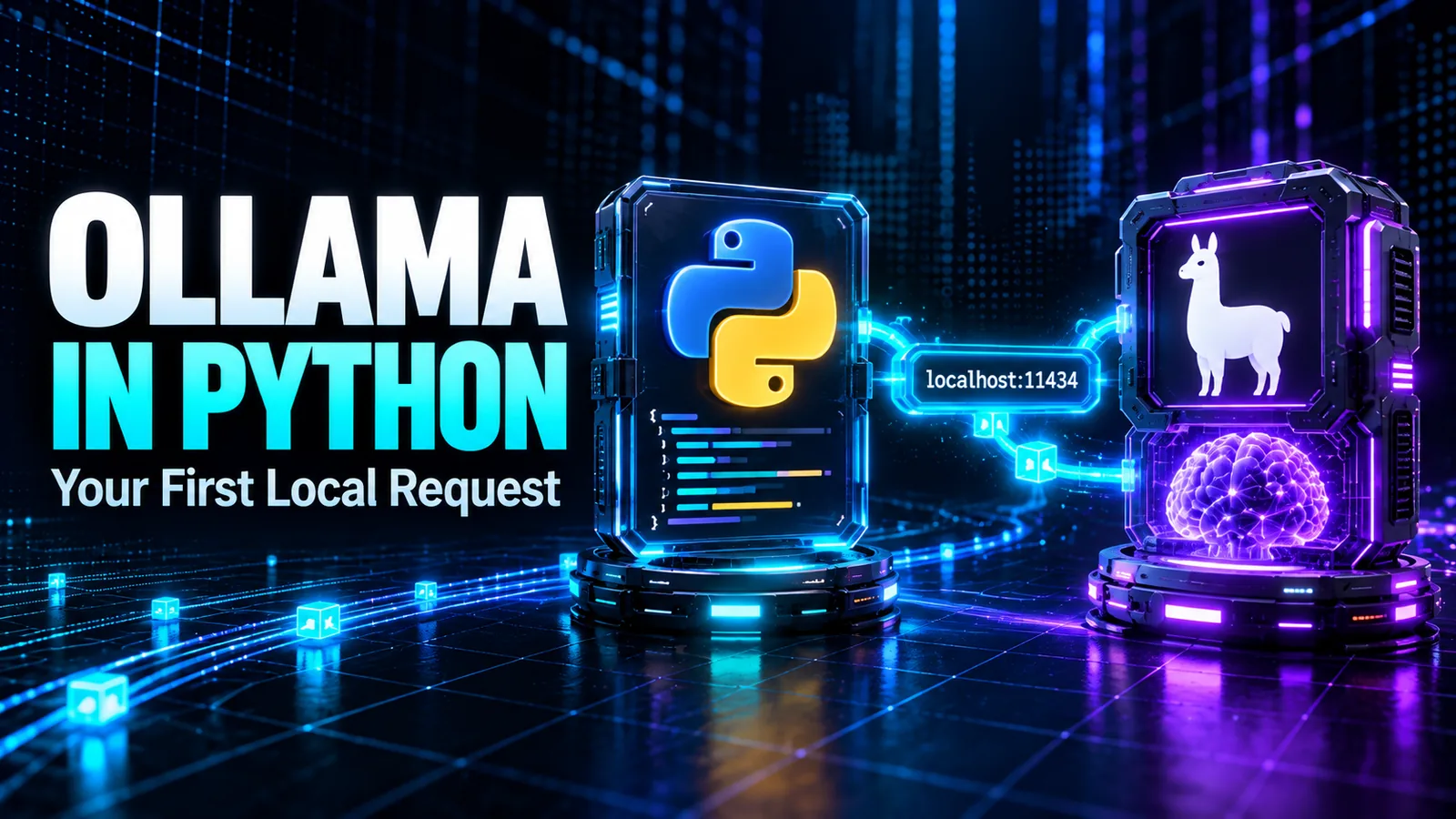
How to Use Ollama in Python: Your First Local Request
Use Ollama in Python with a local model. Set up a virtual environment, send a chat request, stream output, and diagnose model or connection errors.
Elena Rostova·7 min read·
Browse related articles tagged AI Tools.
Use Ollama in Python with a local model. Set up a virtual environment, send a chat request, stream output, and diagnose model or connection errors.
Diagnose MCP 404 errors after deployment by checking protocol revision, endpoint routing, session recovery and requests across replicas.
Compare executable paths, runtime versions, working directories and required variables when a local MCP server works in a terminal but fails in a desktop app.
Trace incomplete MCP results across the source, tool response, client and model. Distinguish discovery pagination from paging a tool's returned data.
Diagnose repeated AI tool calls, define observable progress and set application-enforced limits without mistaking a higher step cap for a fix.
Trace invented transcript text to silence, segmentation or earlier context, then test speech detection without removing quiet real speech.
Plan an embedding-model change with a separate index, paired retrieval tests and rollback instead of mixing old document vectors with new queries.
Compare smaller quantizations using your own failure cases, memory limits and correction effort instead of assuming one format always wins.
Audit generation, embeddings, OCR and tools, then test a complete offline workflow without assuming that a local model makes every step local.
Diagnose an MCP connection with missing tools by checking discovery, schema acceptance, permissions and host exposure in order.
Trace MCP unauthorized errors through token audience, scopes, expiry and downstream credentials after a browser login appears successful.
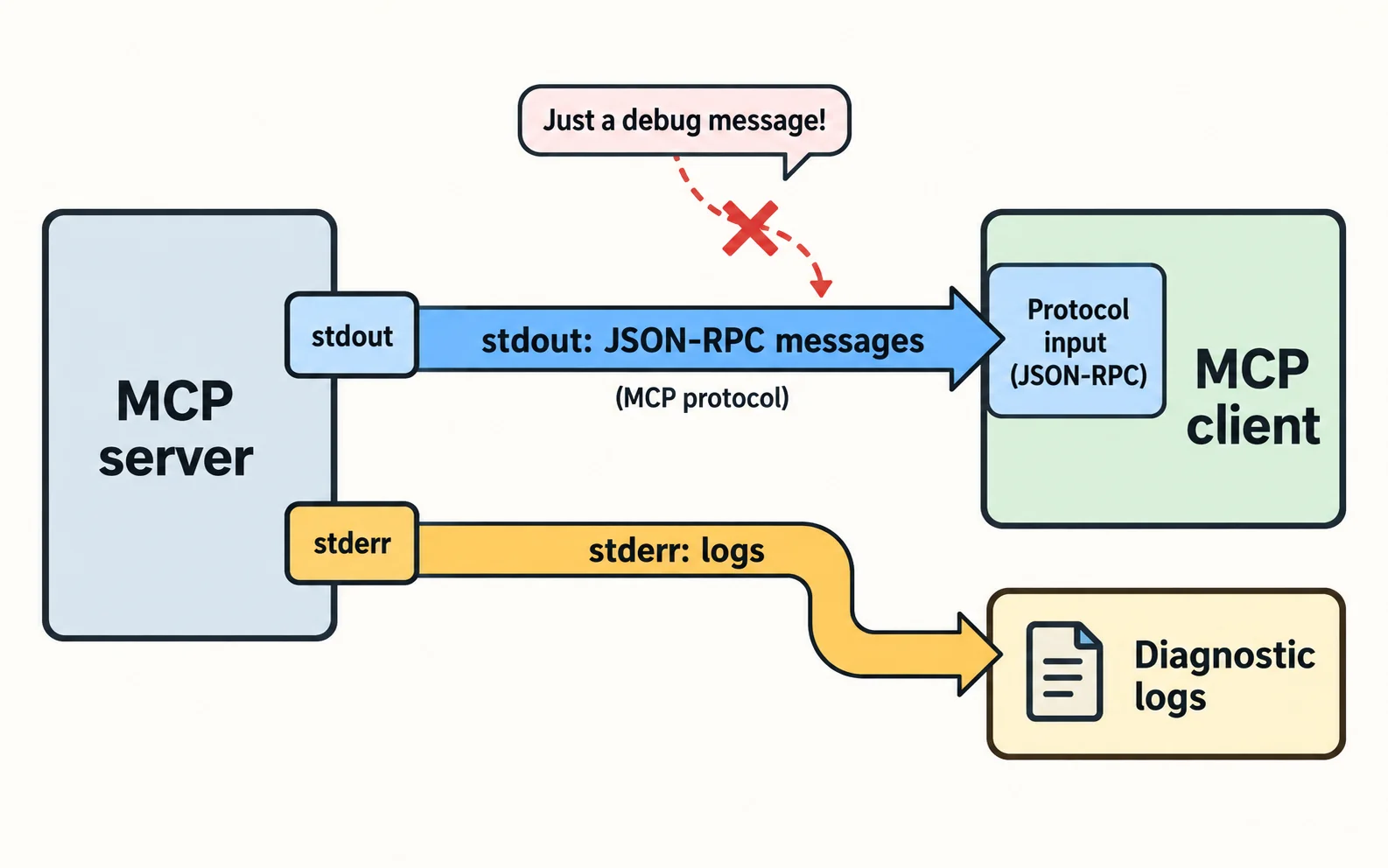
Find startup banners and debug logs contaminating MCP stdio messages, then separate protocol output from diagnostics safely.
Compare MCP tool schemas and identical inputs across clients to isolate compatibility failures without disabling validation or broadening access.
Test multilingual RAG at extraction, retrieval and answer stages, using paired questions instead of assuming fluent output proves good search.
Find why a local model fits initially but fails in longer chats, using a context and concurrency test that separates memory causes.
Separate model loading from prompt processing and streaming delays to diagnose why the first local AI response takes much longer.
Validate AI output in three stages: JSON syntax, schema and real meaning, with explicit handling for missing facts and failed validation.
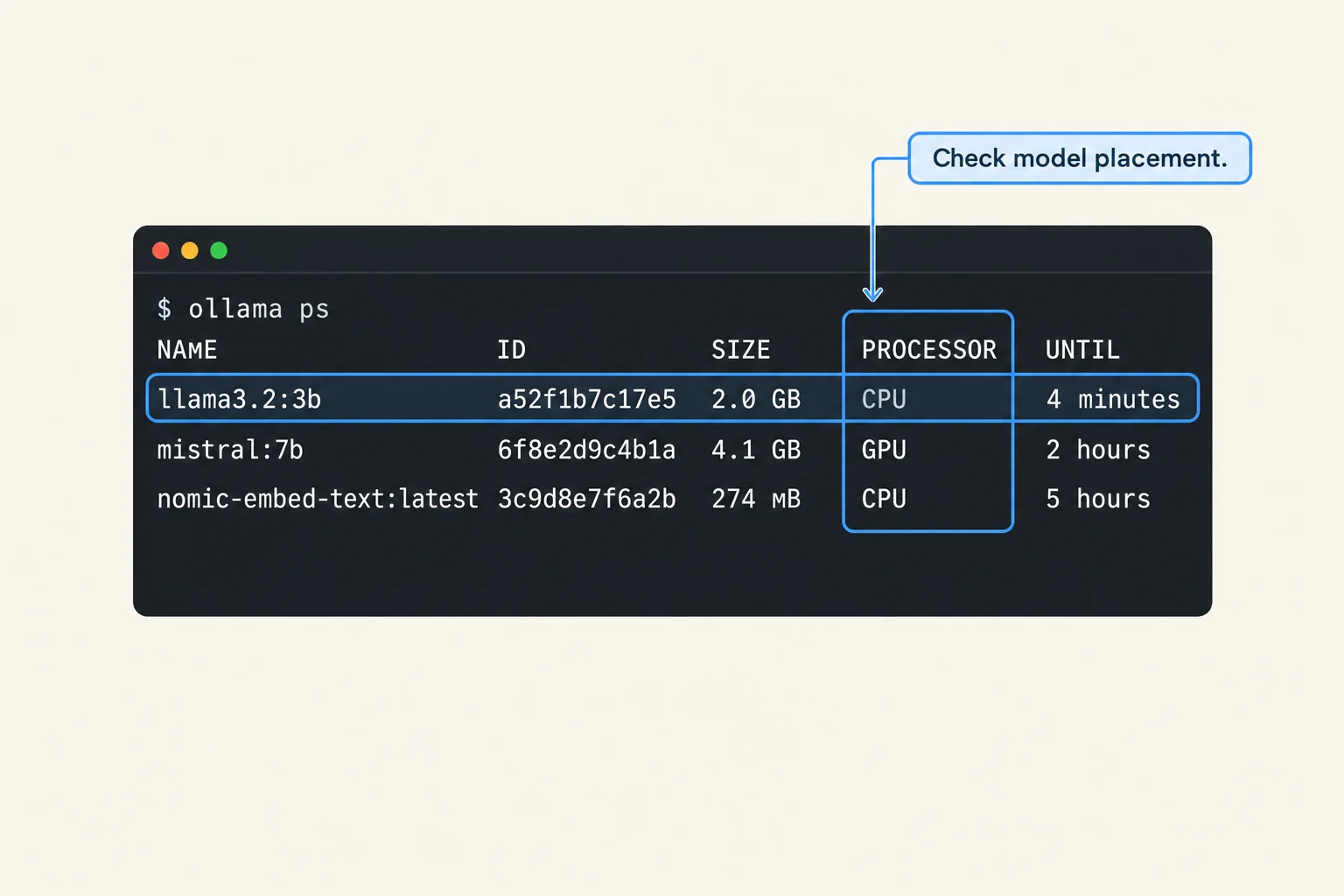
Diagnose Ollama CPU fallback by checking model placement, GPU visibility, context and memory before changing drivers or buying hardware.
Check whether each AI citation supports its exact claim, and distinguish retrieval references, page offsets and unsupported conclusions.
Trace old document facts through chat history, retrieval collections and caches to understand why removed material still influences answers.
Use a harmless document fixture to test prompt-injection handling and enforce tool permissions outside the model's interpretation of text.
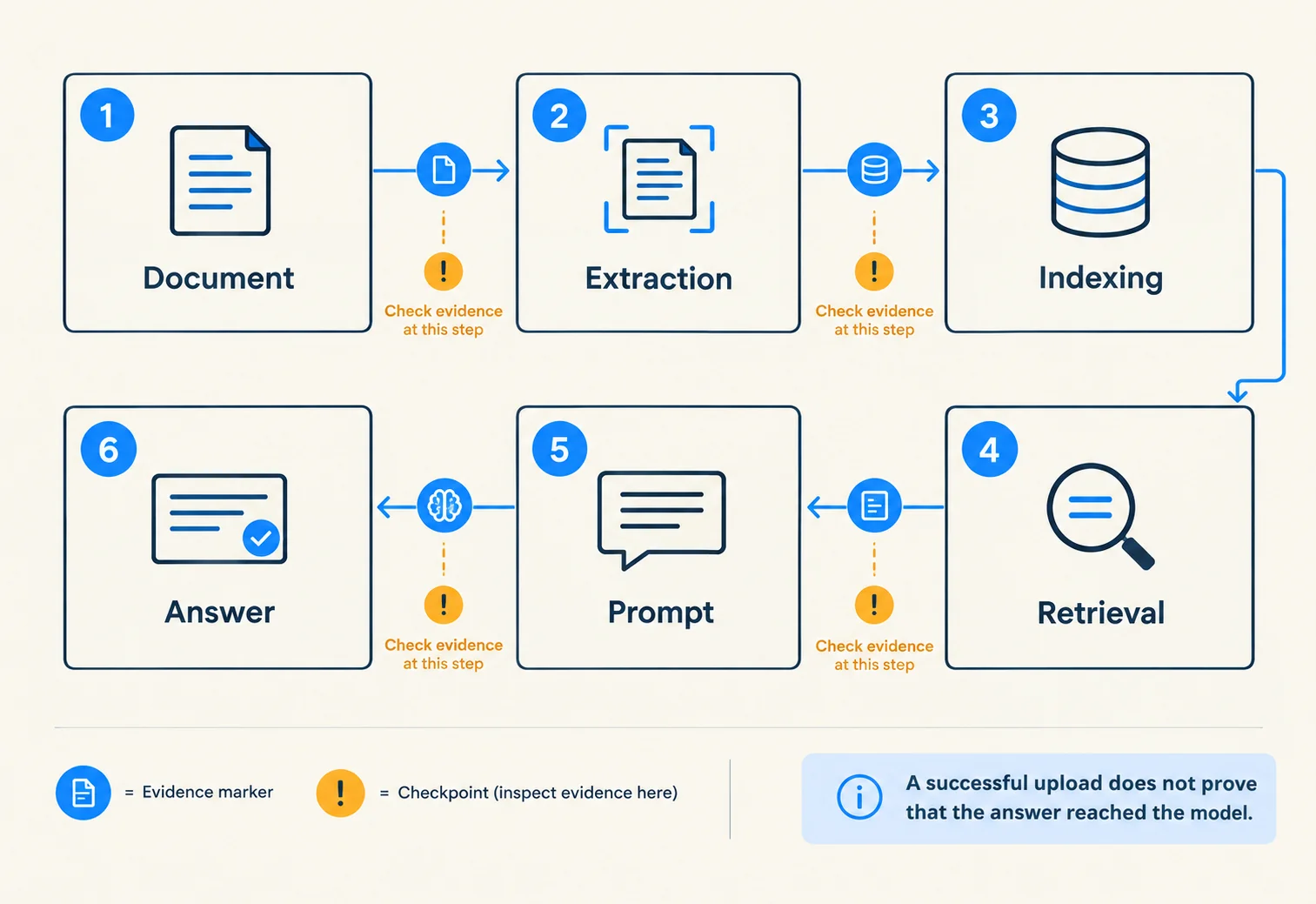
Trace a missing RAG answer through extraction, indexing, selection and retrieval instead of repeatedly uploading the same document.
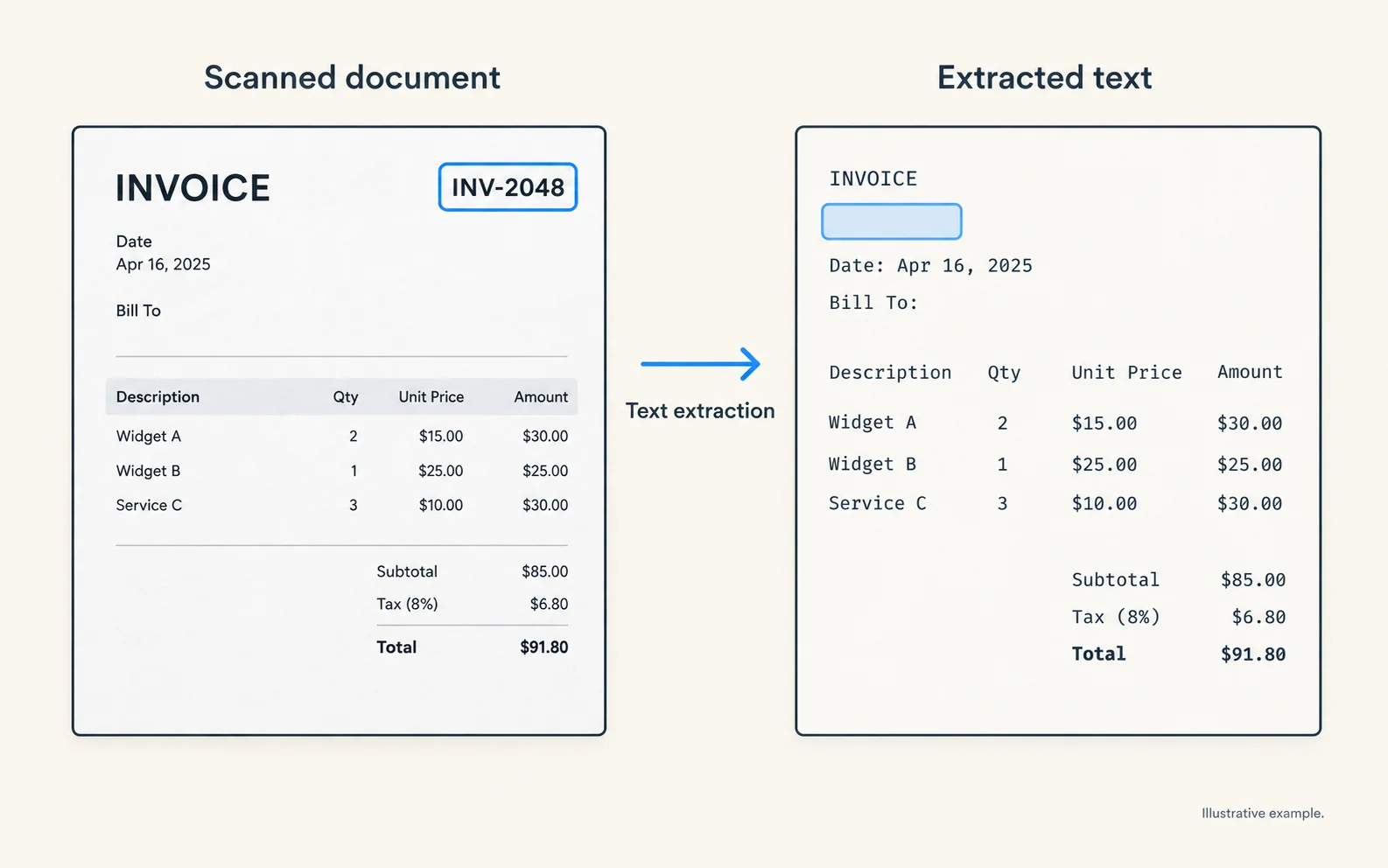
Diagnose scanned-PDF failures by checking OCR, reading order, indexing and retrieval before changing prompts or replacing the language model.
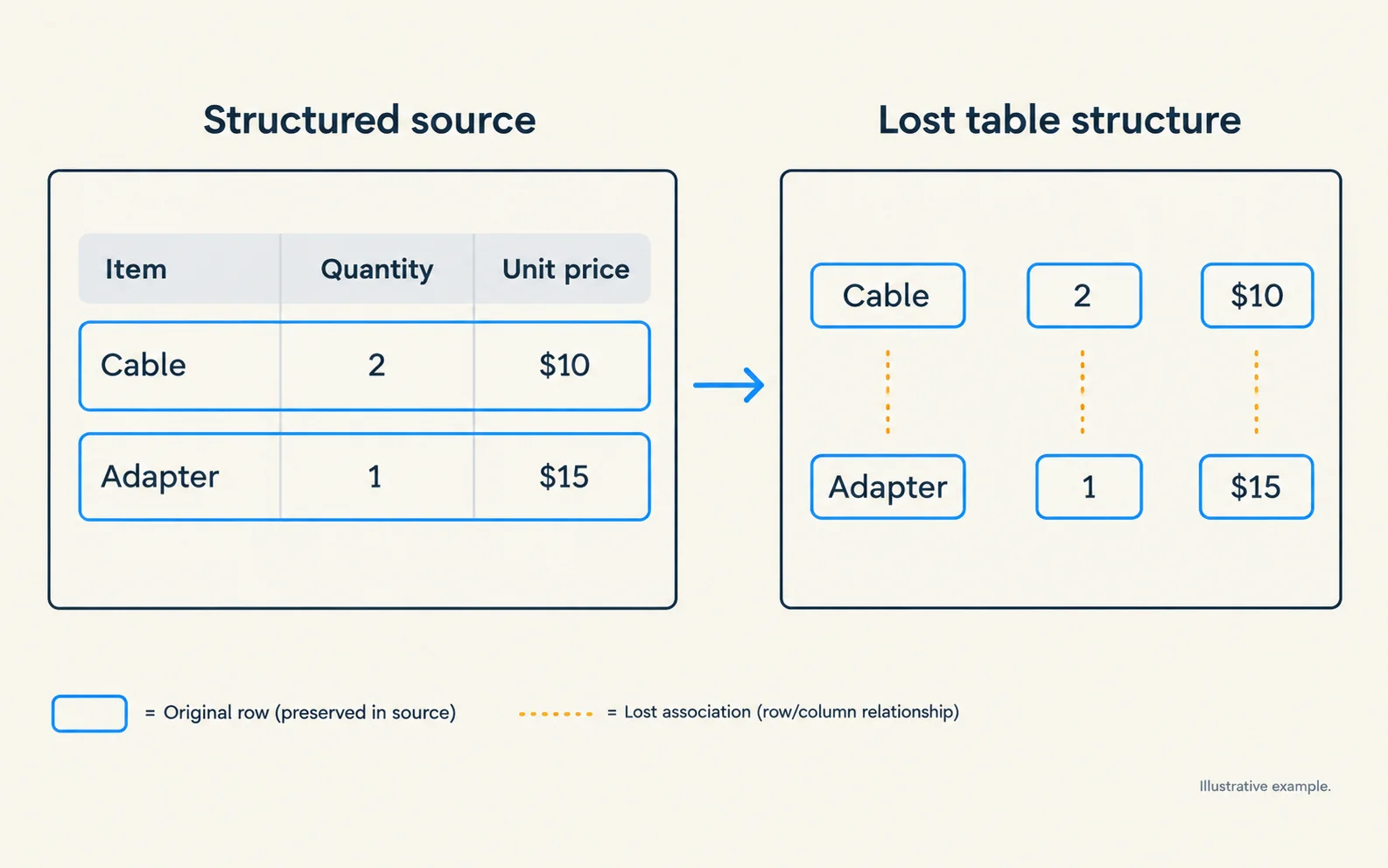
Find whether incorrect AI table totals come from parsing, missing rows or arithmetic, then choose a retrieval or calculation workflow.

Calculate the real cost of AI video generation per usable second. Count credits, retries and rejected clips, then compare tools by accepted footage.
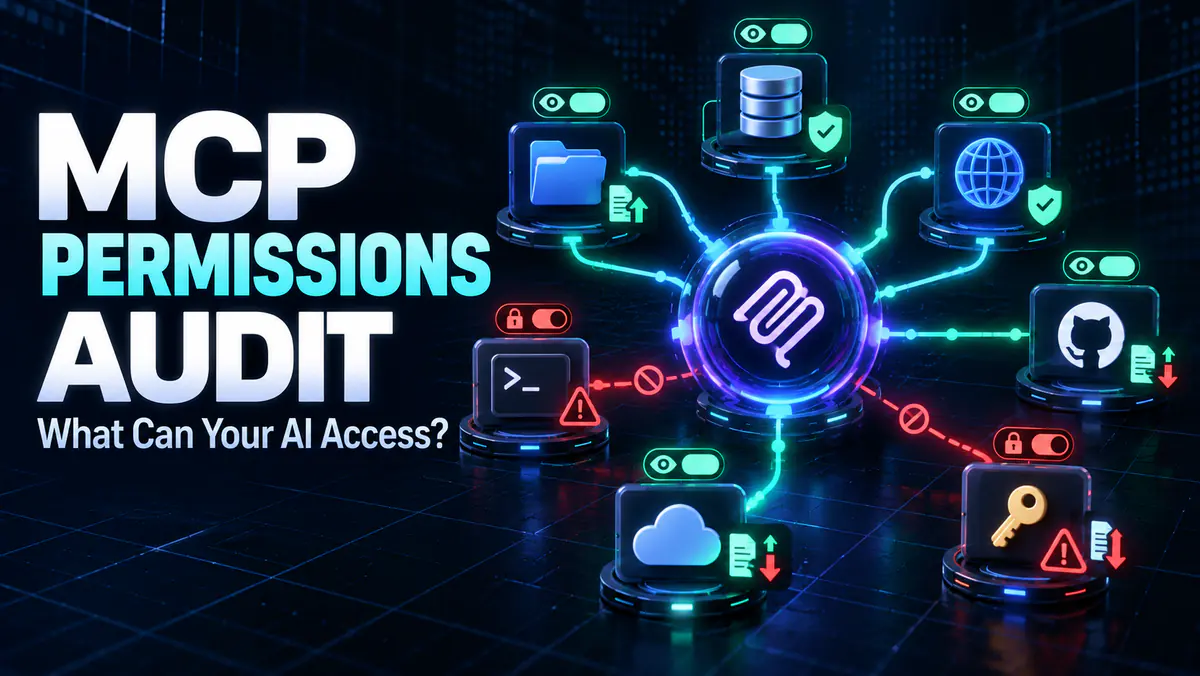
Run an MCP permissions audit before connecting a server. Map files, credentials, network access and tools with a practical MCP security checklist.
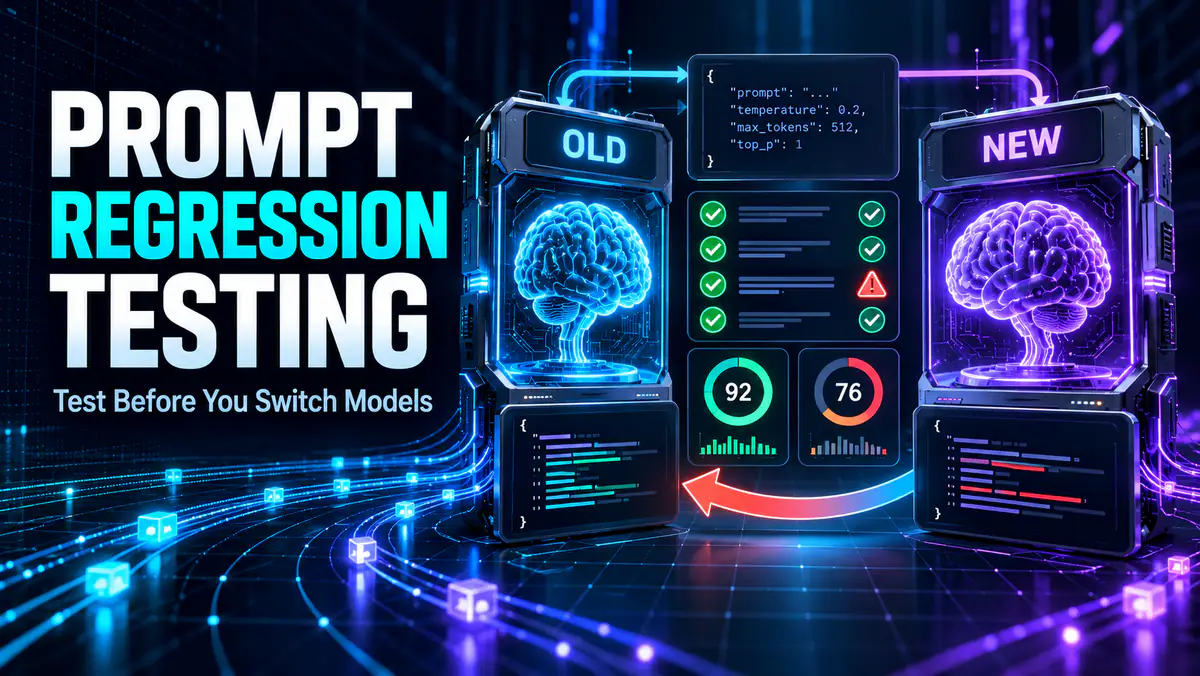
Use prompt regression testing to compare LLM prompts and model updates. Build an eval set, score regressions, automate checks and gate releases.
Test an LLM’s usable context window with a repeatable long-context benchmark. Measure retrieval by position, reasoning, citations, cost and latency.

Verify AI images with C2PA Content Credentials. Check image provenance, signatures and edit history, and learn what missing metadata cannot prove.
Explore Higgsfield AI for images, video and cinematic workflows. Understand its tools, limitations and the best starting point for your first project.
Compare verified Higgsfield monthly and annual prices, free-access limits and credit costs. Calculate your budget using accepted clips rather than attempts.
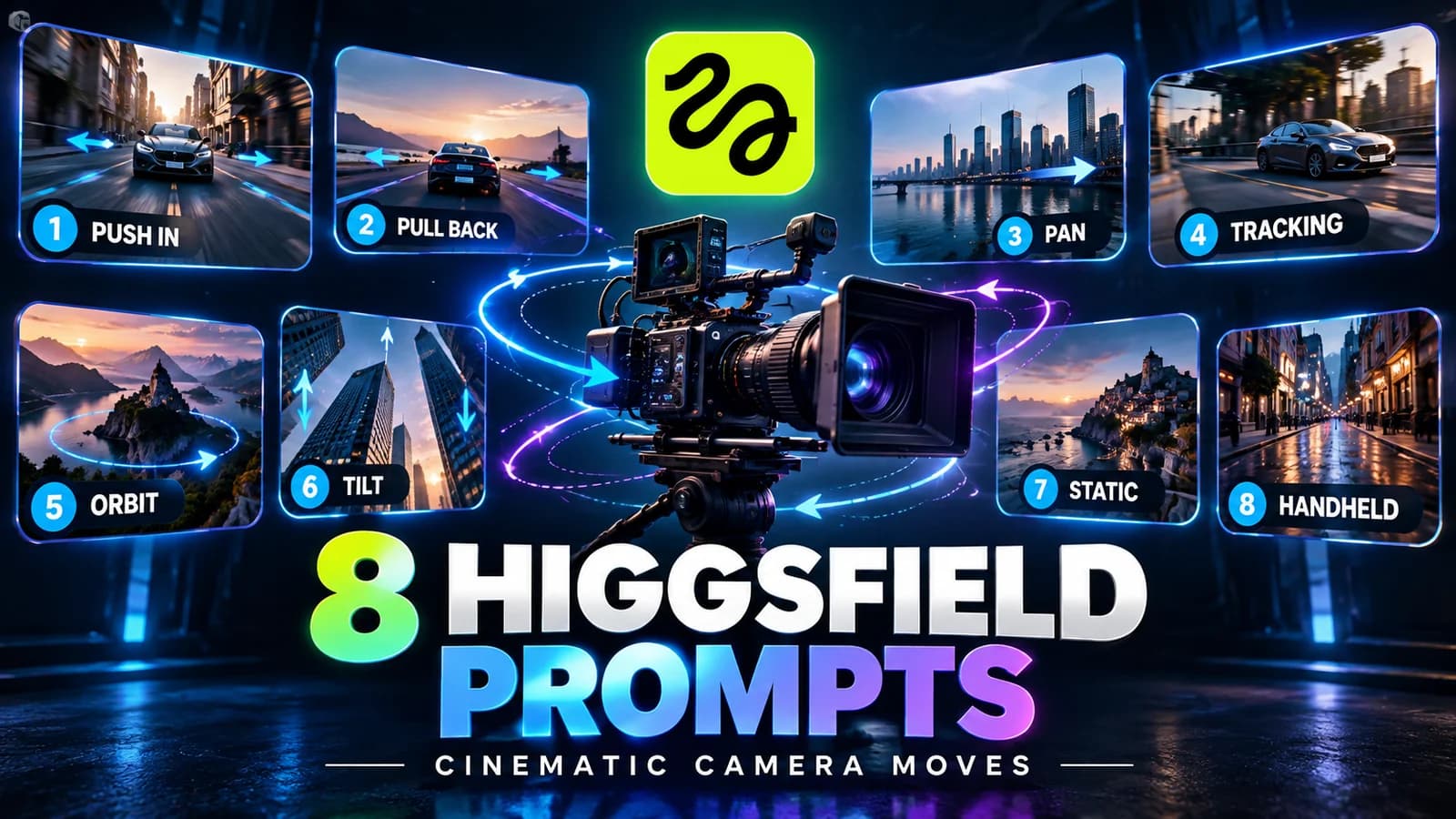
Write clearer Higgsfield prompts for push-ins, pans, tracking and orbits. Get eight original examples plus a checklist for fixing unwanted camera motion.

Compare Higgsfield and Runway on creative workflow, free access, credits and production needs. Use a fair shot test to choose the right platform.
Follow a practical Higgsfield AI tutorial: prepare a reference image, direct one camera move, review the result and export a useful first video.
Learn how to create, revise, share and export a document with Claude Docs, including current plan access, limitations and a practical first workflow.
Understand Claude Fable 5.1's coding and knowledge-work improvements, lower cache costs, paid availability and a practical workflow for evaluating it.
Compare OpenAI Codex and Claude Code across interfaces, free access, repository work, permissions and a repeatable three-task evaluation.

Understand GPT-6 Astra's new capabilities, phased availability, safety limits and the best first tasks to try when it appears in your ChatGPT account.
Learn what Grok 4.7 changes for coding and knowledge work, where it is available, how its API is priced and how to test Grok Build's free access.

Anthropic's Claude Opus 5.5 leads in agentic coding at 40% lower cost than Opus 5 in vendor testing. Explore its features, pricing and access options.

Compare four local LLMs for 16GB RAM by download size, hardware and task. Use ten test prompts to check answer quality, memory use and response speed.
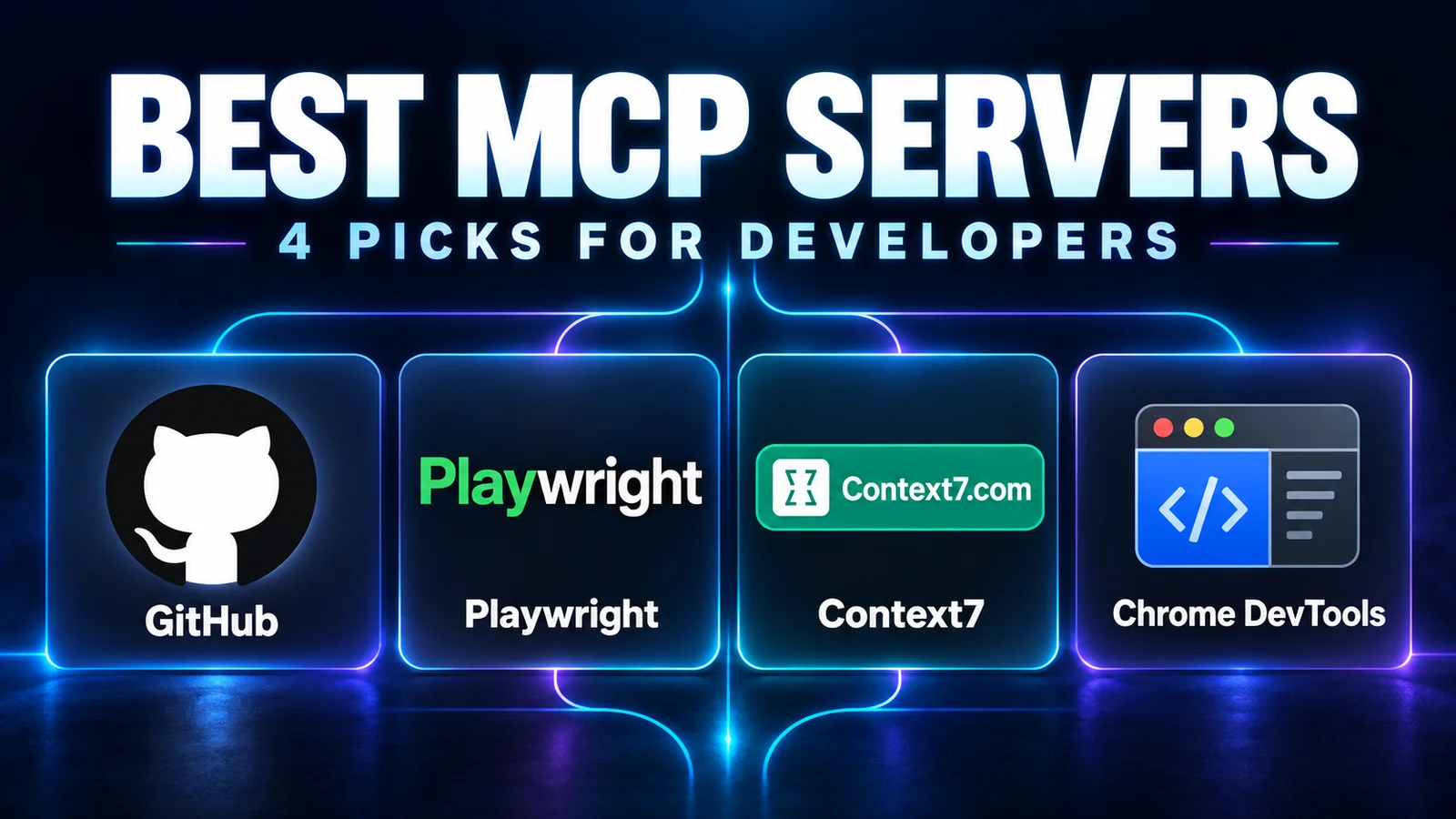
Choose MCP servers for repository work, browser testing, documentation and debugging, with practical first tasks and checks for access and compatibility.
Compare Claude Code and Cursor for editing, delegated tasks, pricing and code review, with a practical checklist for choosing your coding workflow.

Choose Ollama or LM Studio for local AI by comparing model management, desktop chat, scripting, offline use and a fair same-model evaluation.
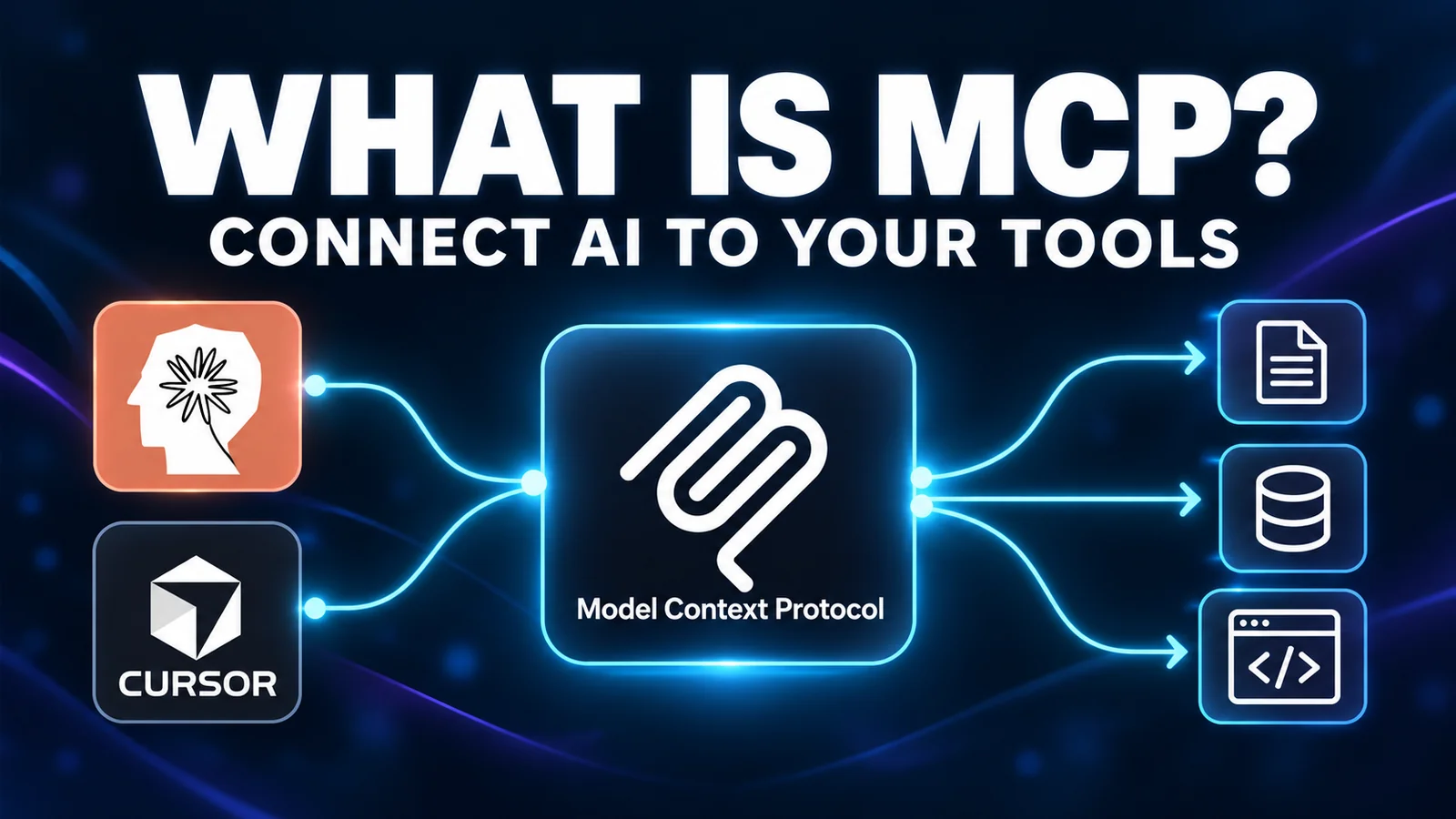
Understand Model Context Protocol with a simple issue-triage example, the roles of hosts and servers, and the difference between MCP, APIs and RAG.
A research-based shortlist of AI coding tools for editor, terminal and delegated work, with official sources and a practical evaluation checklist.

Gemini 4 is in training, but Gemini 4 Pro is not released. Here is what Google has confirmed, what remains rumor and what would make it the best LLM.
A practical checklist for verifying AI answers: inspect sources, check dates and numbers, reproduce results, and separate evidence from confident wording.
Build a useful NotebookLM study workflow: choose course sources, ask focused questions, check citations, and turn mistakes into targeted revision.
Choose between prompting, RAG and fine-tuning by diagnosing missing information versus inconsistent behavior, with examples and a practical evaluation plan.

Install Ollama, run a small local model, check CPU or GPU usage, and troubleshoot slow responses without assuming every AI feature stays offline.

Compare Granola, Otter, Fireflies, Fathom, tl;dv and Sembly for meeting notes. Choose by capture style, sharing needs, exports and plan limits.

Compare ChatGPT and Claude for writing, research, coding and daily tasks using official feature sources and a practical workflow checklist.

Everyone's building AI agents. But the term means different things to different people. Here's what actually qualifies — and what doesn't.

A research-based shortlist for student writing, research, revision and organization, with official sources, access caveats and academic-integrity advice.

Compare Cursor with the current Windsurf/Devin Desktop workflow using official documentation, with checks for context, edits, permissions and cost.

An editorial view of why AI productivity apps can feel interchangeable, and a practical way to judge integration, review effort and everyday usefulness.

Learn how retrieval-augmented generation finds sources, adds context and produces an answer, with a worked example and the limits you need to check.
High signal AI & software stories.
Direct to your inbox. No hype.
Independent analysis of AI models, developer tools, and computing architectures. Delivered every Sunday morning. 100% free.