Explained
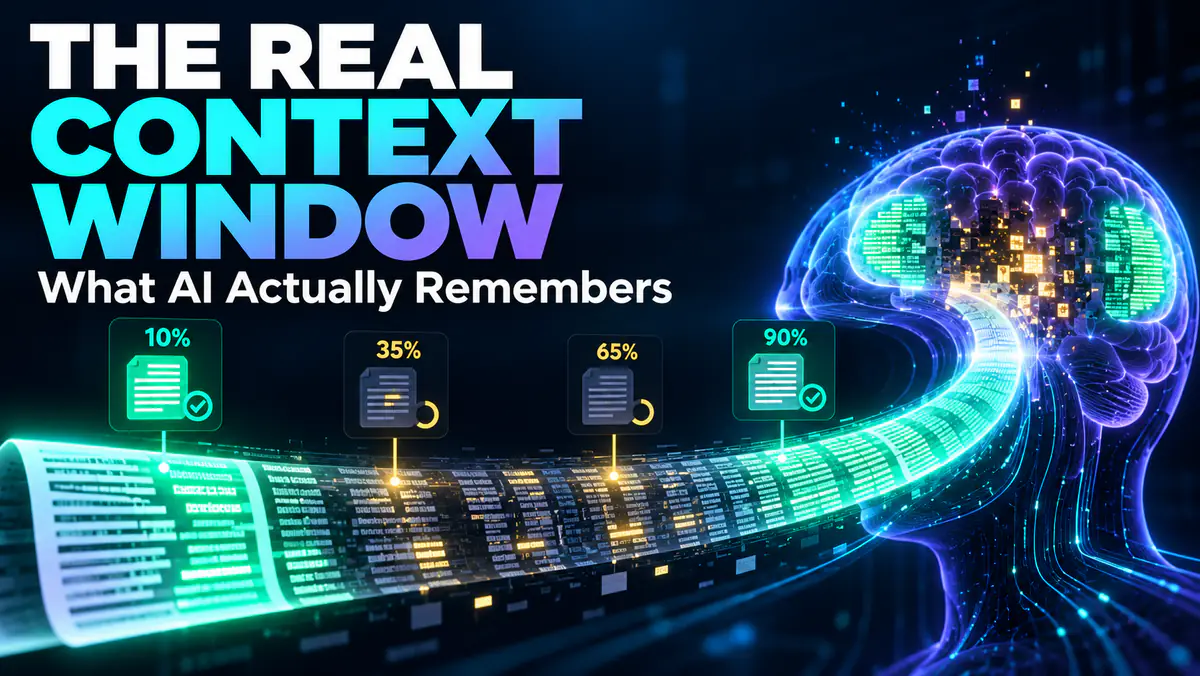
Usable Context Window: Test What an AI Model Remembers
Test an LLM’s usable context window with a repeatable long-context benchmark. Measure retrieval by position, reasoning, citations, cost and latency.
Marcus Vance·8 min read·
Technical concepts explained clearly — without dumbing them down.
Technical terms are easier to use when you know which problem each one addresses. These explanations separate an agent's actions, a tool connection, retrieval of source material and changes to a model. Read the concept you need first, then use the comparison guides to decide whether it belongs in your project.
Distinguish a response from a workflow that takes actions.
Place hosts, clients and servers in an example workflow.
Diagnose the problem before selecting an architecture.
If the system needs to act, start with agents and tool connections. If the problem is missing information, read the retrieval explanation before considering fine-tuning. Keep the decision tied to a concrete failure: an unavailable tool, a missing source or inconsistent behavior may require different remedies.
Test an LLM’s usable context window with a repeatable long-context benchmark. Measure retrieval by position, reasoning, citations, cost and latency.
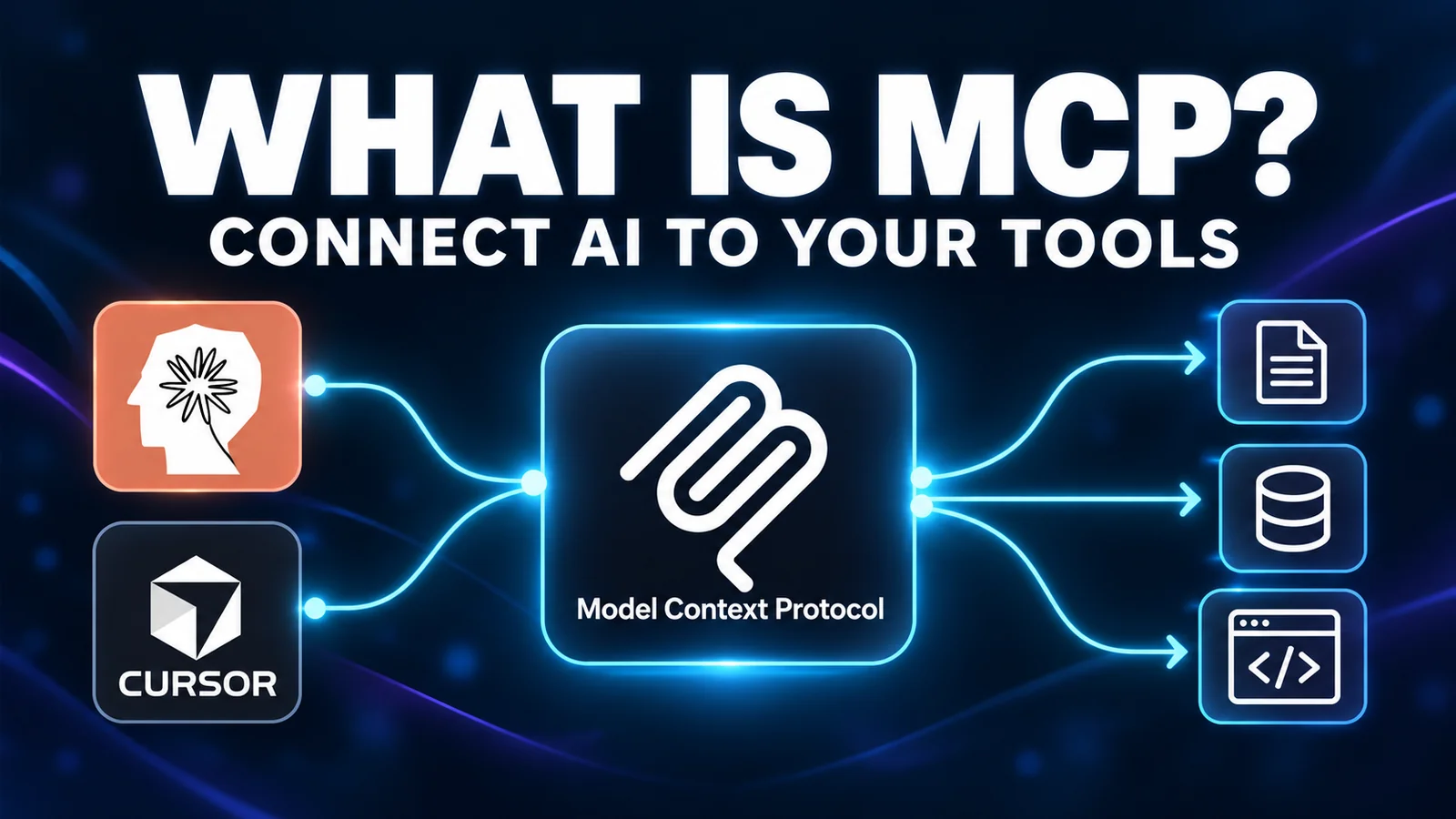
Understand Model Context Protocol with a simple issue-triage example, the roles of hosts and servers, and the difference between MCP, APIs and RAG.

Choose between prompting, RAG and fine-tuning by diagnosing missing information versus inconsistent behavior, with examples and a practical evaluation plan.

Everyone's building AI agents. But the term means different things to different people. Here's what actually qualifies — and what doesn't.

Learn how retrieval-augmented generation finds sources, adds context and produces an answer, with a worked example and the limits you need to check.
High signal AI & software stories.
Direct to your inbox. No hype.
Independent analysis of AI models, developer tools, and computing architectures. Delivered every Sunday morning. 100% free.